Important Septic & Drain Solutions Every Property Owner Need To Know: From Drain Cleaning to Septic Pumping
Business Name: Royal Flush Environmental Services
Address: 2640 State Hwy 99 N, Eugene, OR 97402
Phone: (541) 687-6764
Royal Flush Environmental Services
Royal Flush Environmental Services is a plumbing company offering a full range of septic system services, including cleaning, installation, and repairs. Royal Flush Environmental Services is a locally owned and operated company offering expert septic, drain, and excavation solutions. Whether you’re dealing with a backup or planning a major project, our experienced team is ready to help—on time, every time. Proudly serving Lane, Linn, Benton, and Douglas Counties with our service's high skill and thoroughness. No job is too big or small for our highly skilled team.
2640 State Hwy 99 N, Eugene, OR 97402
Business Hours
Wastewater systems seldom bring in attention when they work well. Yet a single blocked drain, a sewer backup, or a stopped working septic tank can make a home uninhabitable within hours. For lots of owners, the most significant shocks are not the repairs themselves, however the realization that peaceful, low‑cost upkeep might have prevented a significant failure.
Understanding core services such as drain cleaning, sewer cleaning, septic pumping, septic installation, and septic repair is no longer optional. Whether you handle a commercial center, own a rural home on a septic system, or supervise a multi‑unit structure connected into municipal sewers, the decisions you make about these systems have long‑term monetary and health implications.
This guide makes use of field experience from years of working with real estates and real failures, not theory. The objective is basic: equip you with a working understanding of what requires attention, how frequently, and what separates a proficient service see from a shallow one.
How Your Drains and Sewers Actually Work
Every sink, toilet, shower, and floor drain feeds into a network of branch lines that connect to a main building drain. That primary line then heads in one of two instructions. In city and suburbs it generally links to a municipal sewer. In rural residential or commercial properties and numerous edge‑of‑town advancements, it goes to a personal septic system.
Inside the structure, gravity does nearly all the work. Pipelines are installed with exact slope so wastewater streams progressively rather than racing or stagnating. Vent stacks, which typically exit through the roofing, enable air to go into the system so traps do not siphon dry and sewer gases do not pressurize the pipes.
Once wastewater leaves the structure:
- In a sewered property, it travels through the lateral line under your lawn to the public sewer, then to a treatment plant.
- On a septic property, it streams into a septic tank for settling and partial treatment, then relocates to a drain field where the soil completes the treatment process.
Every service explained in this short article connects to keeping among these sections operating. When something goes wrong, understanding which part of the system is most likely affected can conserve time and money.
Drain Cleaning: The Front Line of Preventive Care
Most people meet their very first plumber over a clogged cooking area sink or a slow restroom drain. Drain cleaning noises easy, however how it is done matters.
In practice, clogs tend to form in predictable places. Kitchen lines build up grease and food particles. Bathroom drains collect hair, soap residue, and cosmetic items. Laundry drains can build up lint and detergent sludge. In time, these deposits narrow the pipeline up until even normal use sets off a blockage.
Chemical drain cleaners are heavily advertised as a fast repair. Field experience reveals they frequently do more harm than good. Caustic cleaners can harm older metal pipes, soften some plastics, and create a hazardous environment for professionals who ultimately need to open those lines. They also tend to tunnel a small opening through a clog instead of clearing the pipeline wall, which means the clog reforms within weeks.
Professional drain cleaning normally relies on 2 main techniques. The very first uses mechanical cable machines, often called snakes or augers, which physically separate clogs and push or pull them out. When utilized with proper heads, they can eliminate thick accumulations of hair, grease, or paper. The second uses high‑pressure water, often at 2,000 to 4,000 psi, to search the pipe interior. This hydro jetting is more typical in primary lines and industrial settings however is progressively utilized in domestic structures as well.
The most cost‑effective method is not waiting on a complete obstruction. If you notice recurring slow drains or gurgling, particularly in numerous components on the exact same floor, it is often a sign that a partial blockage is building. An early drain cleaning check out addresses the issue before it develops into an emergency call during the night or on a weekend.
Sewer Cleaning: Beyond the Walls, Under the Yard
Sewer cleaning handle the lateral pipeline that links your structure to the municipal main. When this line stops working, the effects are more serious than an easy sink backup. Toilets may overflow, basement floor drains can rise raw sewage, and sometimes wastewater can appear outdoors.
In older neighborhoods, sewer laterals are frequently clay or cast iron, sometimes more than 50 years old. Root intrusion is the most common enemy. Tree roots are drawn to the heat and nutrients around the pipe. They find small cracks or loose joints, then grow within, forming a dense mat that catches whatever moving through the line.
Another frequent issue is sagging or misaligned sections, referred to as tummies or offsets. When the soil settles or an area of pipeline is improperly supported, it develops a low spot where solids gather. In time, this becomes a chronic clog point.
Effective sewer cleaning typically starts with a video camera inspection. A little, self‑leveling camera is pushed through the line on a cable television, supplying live video of the interior. This exposes whether the issue is soft debris, roots, a broken section, or a structural droop. A technician can then pick the best cleaning head and technique instead of guessing.
For root problems, specialized cutting heads and hydro jetting tools can clear the line, however this is rarely a one‑time remedy. Once roots have found the pipeline, they normally return within 1 to 3 years. Some homes adopt a preventive sewer cleaning schedule, combined with root‑control treatments when suitable. In others, the damage ends up being extensive enough that partial or complete pipe replacement, often via trenchless methods, is the more cost-effective long‑term solution.
A property owner who comprehends the difference between a regular sewer cleaning and a structural pipe concern is less most likely to authorize repetitive cleanings that never totally resolve the problem.
Septic Systems: A Various Type Of Infrastructure
A septic system is essentially a little, on‑site wastewater treatment plant. Instead of sending sewage to a far-off facility, the property handles it within the boundaries of the lot.
A standard gravity septic system has three main elements: the building sewer that carries wastewater out, the sewage-disposal tank where solids settle and break down, and the drain field where clarified effluent disperses into the soil. Some systems include pumping chambers, filters, or advanced treatment units.
Inside the septic tank, heavier solids sink to form sludge. Lighter materials such as grease and oils float to form scum. The middle layer, called effluent, flows out to the drain field. Bacteria within the tank break down some of the solids, however not almost all. Sludge continues to accumulate, just at a slower rate.
Everything about septic system health streams from one truth: the tank has finite capacity. Once sludge and scum consume excessive of that volume, solids rinse into the drain field. That is when expensive damage starts. A field clogged with solids can not be brought back easily. Numerous owners only challenge this after emerging effluent, foul odors, or backups appear in the home.
Regular septic pumping is the easy, mechanical action that avoids this chain of events.
Septic Pumping: Timing, Technique, and Red Flags
Septic pumping removes accumulated sludge and scum from the tank. The right schedule depends on tank size, home size, water use habits, and whether the residential or commercial property utilizes a garbage disposal, which can dramatically increase solid load.
As a general rule from field observations, most occupied homes gain from pumping every 3 to 5 years. Heavy use residential or commercial properties or small tanks might warrant periods as brief as 2 years. Alternatively, a small cabin utilized seasonally may go longer, but just with verification.
The quality of a septic pumping go to is not the same throughout all suppliers. On an extensive see, the specialist needs to find and expose the tank covers if they are not already at grade, open both the inlet and outlet compartments if the tank is divided, and pump down to the bottom. Stirring or backflushing might be essential to separate compressed sludge in older or neglected tanks.
An excellent professional also observes and records the interior. Signs of issue include missing or damaged baffles, evidence of previous high liquid levels, or extreme drifting grease that might suggest misuse of the system. If the outlet baffle is compromised, solids are most likely to leave to the drain field, which ends up being a top priority repair.
Owners often ask whether septic ingredients can replace pumping. Based upon both research and field experience, no additive has shown efficient in eliminating the need for regular pumping. Some biological ingredients are harmless and may marginally enhance digestion, however they do not make solids vanish. Severe chemical ingredients can even harm the microbial balance or push solids into the drain field more quickly.
Pumping is not simply a maintenance task but also a diagnostic chance. Each check out is an opportunity to capture early warning signs long before they end up being system failures.
Septic Installation: Style Options That Shape Decades
Septic installation is among the most consequential building choices for any home that can not access municipal sewer. A well designed and effectively installed system can work quietly in the background for thirty years or more. A poorly sited or undersized system can start stopping working within a decade.
The installation procedure begins with soil screening and site examination. Percolation tests and soil borings determine how rapidly the soil soaks up water and at what depth seasonal groundwater might appear. These conditions govern the type and size of drain field that local policies will permit.
There stand out types of systems: traditional gravity drain fields, pressure‑dosed systems, mound systems constructed above grade for shallow soils, and advanced treatment units that pre‑treat effluent before dispersal. Each has its own cost profile, upkeep requirements, and viability for particular sites.
A common mistake among owners is focusing exclusively on upfront cost. For instance, a minimal‑sized system might pass inspection at first however operate at its maximum capability from the first day of tenancy. There is little margin for seasonal saturation, heavier‑than‑expected use, or future additions to the structure. That frequently appears as slow efficiency within a few years.
On the other hand, oversizing without regard to soil habits can be inefficient. The right technique is matching system design to both present and realistic future use, within the constraints of the site. That is why open interaction in between designer, installer, and owner matters.
During septic installation, quality assurance in building and construction is crucial. Even a well created system can fail early if trenches are smeared by working in saturated soil, if distribution pipes are not appropriately level, or if heavy equipment compacts the drain field area. An experienced installer safeguards the field from traffic, appreciates setbacks from wells and home lines, and files the as‑built layout for future service.
Septic installation is not just digging a hole and setting a tank in place. It is shaping how the home will handle every gallon of wastewater for decades.
Septic Repair: When Things Go Wrong
Despite great objectives and regular pumping, systems can and do stop working. Septic repair covers a wide range of interventions, from changing a simple outlet baffle to reconstructing a whole drain field.
The first step in any repair is identifying where the failure happens. Signs inside the building, such as sluggish drains, gurgling, or backups, can originate from pipes issues, a blocked structure sewer, a full tank, or a saturated field. Outside symptoms, such as wet or spongy ground over the field, emerging effluent, or persistent sewage odors, point downstream of the tank.
A proficient service technician will check the tank initially. If the liquid level is above the outlet pipeline, the issue most likely lies in the outlet pipeline or the field. If the level is regular however the structure is supporting, the issue is more often in the structure sewer or inlet.
Some septic repairs are simple and reasonably low expense. Changing damaged or missing baffles, setting up an effluent filter, fixing a damaged inlet pipeline, or correcting a blocked circulation box can restore appropriate function. In pump or pressure systems, replacing a failed pump, float switch, or control board is common.
The more severe failures include the drain field itself. When a field ends up being overloaded with solids, or when groundwater consistently fills the field zone, the soil loses its ability to accept effluent. Attempts to invigorate such fields with aeration or fracturing often supply momentary relief, however the long‑term fix is typically replacement or the addition of a brand-new field location where regulations allow.
Regulatory structures differ substantially by jurisdiction. Some areas now need advanced treatment systems for any new septic installation or significant septic repair, particularly near sensitive water bodies. Owners must know that a major repair can trigger upgraded code requirements, indicating a like‑for‑like replacement is not constantly permitted.
Open dialogue with both the service provider and the regional health department lowers surprises and helps line up expectations with regulative reality.
Practical Maintenance Arrange for Drains, Sewers, and Septic Systems
Repeated service calls typically reveal the exact same pattern. Owners go to rapidly to highly noticeable problems, such as an overflowing toilet, but overlook peaceful, preventive jobs. An easy, written schedule goes a long method towards preventing both emergency situations and premature system failure.
Here is a practical, conservative schedule lots of residential or commercial properties can utilize as a beginning point:
- Household drains: aesthetically check under sinks and around floor drains every few months for leakages and early indications of sluggish flow, and address small clogs with mechanical cleaning, not chemicals.
- Sewer lines (sewered residential or commercial properties): think about a cam inspection every 5 to 7 years in older homes or where big trees exist, and tidy on a preventive basis if roots or structural issues are discovered.
- Septic tank: pump every 3 to 5 years for average homes, adjusting interval based upon sludge depth measurements, household size, and water usage.
- Advanced or pumped systems: check pumps, drifts, and alarms each year, and test operation under load rather than relying solely on visual checks.
- Drain field area: walk the location at least once a year, ideally in wet seasons, watching for wet spots, unusual plant growth, or smells that may suggest emerging issues.
This schedule is not a replacement for professional judgment, but it provides owners a framework for discussions with service providers and a way to budget for recurring costs.
Warning Signs Homeowner Should Never Ever Ignore
Certain symptoms should have instant attention, royalflushservices.com septic installation regardless of whether you are dealing with basic drain cleaning or a potential septic repair. Recognizing them early can decrease the scope of damage.
- Gurgling in fixtures when other fixtures drain, especially toilets or showers near the most affordable level of the building.
- Sewage smells indoors, even faint ones, near drains or in basements and crawlspaces.
- Persistent damp or green spots over septic tanks or drain fields during dry weather.
- Frequent requirement to plunge toilets or clear the exact same drain, suggesting a much deeper obstruction or stopping working line.
- Any sewage appearing on the ground or backing up into components, which is both a health danger and frequently a code violation.
When these signs appear, it is usually an error to postpone and hope the problem solves by itself. A lot of wastewater problems get worse gradually and move from basic services like drain cleaning or sewer cleaning toward structural repairs if ignored.
Working Efficiently With Service Providers
Many homeowner feel at a disadvantage when working with experts for septic pumping, septic installation, or septic repair. The work runs out sight, the terminology is unfamiliar, and there is typically urgency.
A few useful practices can level the field. First, keep your own records. Keep copies of septic pumping logs, installation drawings, inspection reports, and any video camera video. When a specialist shows up and can see that the tank was last pumped 3 years back, that the outlet baffle was formerly flagged as fragile, or that a particular section of sewer is susceptible to roots, they can work more efficiently and concentrate on the highest‑value tasks.
Second, request for specific findings, not just basic declarations. Rather of accepting that the line was "all clear," ask what product was removed, whether any roots or structural issues appeared, and whether a cam inspection was performed. On septic systems, request the measured sludge and scum depths when available.
Third, go over options and trade‑offs. For example, in a root‑invaded sewer line, there may be an option between more regular cleaning, chemical root control where enabled, or pipe replacement by open trench or trenchless techniques. Each has its own cost, disturbance level, and long‑term ramifications. A good company will discuss these instead of pressing a single solution.
Lastly, beware of fast fixes that bypass underlying issues. Repetitive surface area treatments over a failing drain field, heavy dependence on additives rather of septic pumping, or duplicated snaking of a seriously harmed sewer line are examples where short‑term relief might conceal collecting costs.
Bringing Everything Together
Drain cleaning, sewer cleaning, septic pumping, septic installation, and septic repair are not separated services. They form a continuum of care for the exact same underlying system that brings run out from your building and secures the health of residents and neighbors.
Property owners who understand the fundamentals of how wastewater systems work, acknowledge early indication, and dedicate to modest, routine upkeep are far less most likely to face catastrophic failures. The investments made in routine inspections, timely pumping, and thoughtful upgrades or repairs tend to be modest compared to the cost of flooded basements, contaminated wells, or full drain field replacements.
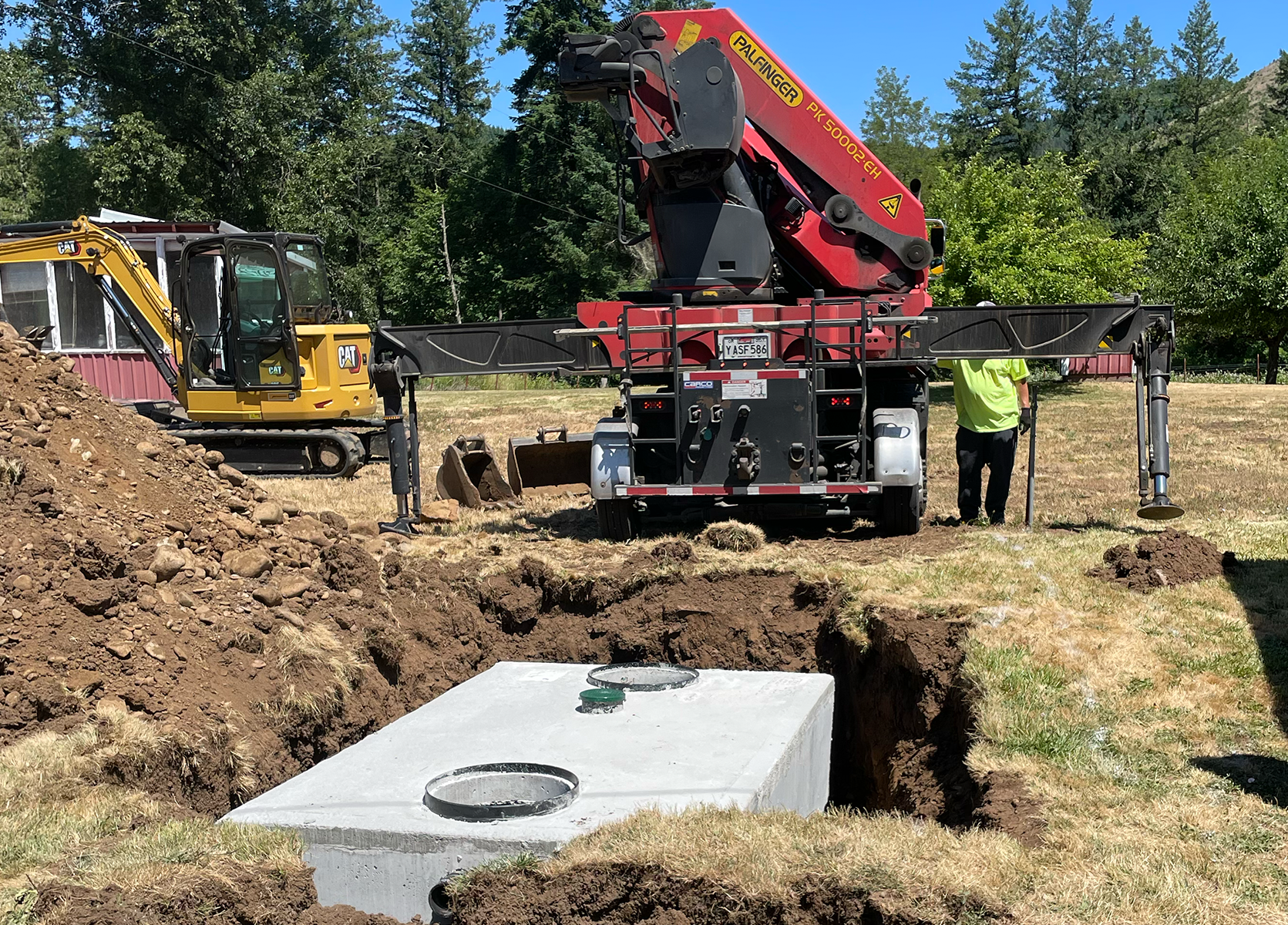
With a clear image of the system buried under your feet, decisions end up being less stressful and more strategic. You know when to require easy drain cleaning, when to ask for a video camera inspection, when to schedule septic pumping, and when a more significant septic repair or new septic installation is required. That understanding, more than any single item or innovation, is what keeps wastewater systems working quietly in the background where they belong.
Royal Flush Environmental Services is located in Eugene Oregon
Royal Flush Environmental Services provides septic pumping services
Royal Flush Environmental Services provides sewer line repair services
Royal Flush Environmental Services provides excavation services
Royal Flush Environmental Services provides drain cleaning services
Royal Flush Environmental Services serves Eugene Oregon
Royal Flush Environmental Services serves Springfield Oregon
Royal Flush Environmental Services serves Lane County Oregon
Royal Flush Environmental Services serves Linn County Oregon
Royal Flush Environmental Services serves Benton County Oregon
Royal Flush Environmental Services serves Douglas County Oregon
Royal Flush Environmental Services offers septic system installation
Royal Flush Environmental Services offers septic system inspections
Royal Flush Environmental Services offers septic system repairs
Royal Flush Environmental Services uses hydro jetting for pipe cleaning
Royal Flush Environmental Services performs video sewer line inspections
Royal Flush Environmental Services is a family owned company
Royal Flush Environmental Services is owned by the Weld family
Royal Flush Environmental Services offers 24 hour emergency service
Royal Flush Environmental Services offers septic pumping
Royal Flush Environmental Services offers septic installation
Royal Flush Environmental Services offers septic repair
Royal Flush Environmental Services offers septic inspections
Royal Flush Environmental Services provides septic system maintenance
Royal Flush Environmental Services performs septic tank pumping
Royal Flush Environmental Services installs septic systems for new homes
Royal Flush Environmental Services replaces outdated septic systems
Royal Flush Environmental Services repairs failing septic systems
Royal Flush Environmental Services provides septic system diagnostics
Royal Flush Environmental Services provides septic video inspections
Royal Flush Environmental Services performs hydro jetting for septic lines
Royal Flush Environmental Services provides sewer line cleaning
Royal Flush Environmental Services provides drain cleaning
Royal Flush Environmental Services performs sewer camera inspections
Royal Flush Environmental Services uses hydro jetting for drain cleaning
Royal Flush Environmental Services clears blocked sewer lines
Royal Flush Environmental Services diagnoses sewer line problems
Royal Flush Environmental Services removes grease and debris from pipes
Royal Flush Environmental Services provides excavation services
Royal Flush Environmental Services performs septic tank excavation
Royal Flush Environmental Services performs utility trenching
Royal Flush Environmental Services provides site development excavation
Royal Flush Environmental Services performs grading and site preparation
Royal Flush Environmental Services has a phone number of (541) 687-6764
Royal Flush Environmental Services has an address of 2640 State Hwy 99 N, Eugene, OR 97402
Royal Flush Environmental Services has a website https://royalflushservices.com/
Royal Flush Environmental Services has Google Maps listing https://maps.app.goo.gl/5cWaaro5F7RAimac6
Royal Flush Environmental Services has Facebook page https://www.facebook.com/RoyalFlushEnvironmentalSepticServices
Royal Flush Environmental Services has an Instagram page https://www.instagram.com/royal.flush.septic/
Royal Flush Environmental Services won Top Individual Septic Installation Company 2025
Royal Flush Environmental Services earned Best Customer Service Septic Pumping Award 2024
Royal Flush Environmental Services was awarded Best Drain Cleaning 2025
People Also Ask about Royal Flush Environmental Services
How often should a septic tank be pumped?
Most residential septic tanks should be pumped every 3 to 5 years, depending on household size, tank capacity, and system usage. Regular pumping helps prevent backups, odors, and costly repairs.
What are the signs that my septic system needs service?
Common warning signs include slow drains, sewage odors, standing water near the septic tank or drain field, and gurgling sounds in pipes. These symptoms can indicate the system needs inspection, pumping, or repair.
What does septic pumping do?
Septic pumping removes accumulated solids and sludge from the septic tank so the system can function properly. Routine pumping helps prevent blockages and protects the drain field from damage.
When should a septic system be inspected?
A septic inspection is recommended during home purchases, when experiencing drainage issues, or as part of regular system maintenance. Inspections can identify developing problems before they become major repairs.
What happens during a video sewer or septic inspection?
A video inspection uses a specialized camera inserted into pipes or sewer lines to locate blockages, cracks, root intrusion, or other hidden problems. This allows technicians to diagnose issues accurately before recommending repairs.
Can Royal Flush Environmental Services install a new septic system?
Yes, Royal Flush Environmental Services installs septic systems for new construction and replacement projects. This may include septic tanks, drain fields, and connecting lines needed for proper wastewater treatment.
What septic repairs are commonly needed?
Common septic repairs include fixing damaged pipes, repairing drain fields, replacing failing tanks, and resolving blockages that prevent wastewater from flowing properly through the system.
What is hydro jetting for sewer and drain lines?
Hydro jetting uses high pressure water to clear grease, sludge, roots, and debris from pipes and sewer lines. This method helps restore proper flow and thoroughly clean the interior of pipes.
Do you offer sewer line cleaning services?
Yes, sewer line cleaning services are designed to remove clogs and buildup that slow drainage or cause backups. Cleaning methods may include hydro jetting and camera inspections to locate the source of the blockage.
Do you provide excavation services for septic projects?
Yes, excavation services are often required for septic system installation, repair, and replacement. Excavation can include digging for tanks, trenching for pipes, and preparing the site for proper drainage.
What types of excavation services are offered?
Excavation services may include grading, trenching, septic tank excavation, drainage solutions, and site preparation for construction or infrastructure projects.
Can excavation help with drainage problems?
Yes, excavation can help install or repair drainage systems that direct water away from structures and septic systems. Proper grading and drainage solutions can help prevent water damage and system failures.
Do you install underground utility lines?
Yes! Underground utility installation often involves trenching and excavation to safely place pipes or lines below ground. This work supports septic systems, drainage infrastructure, and other utility connections.
Do you offer emergency septic or sewer services?
Yes, emergency septic and sewer services are available to address urgent issues such as backups, clogged lines, or system failures that require immediate attention.
Where is Royal Flush Environmental Services located?
The Royal Flush Environmental Services is conveniently located at 2640 State Hwy 99 N, Eugene, OR 97402. You can easily find directions on Google Maps or call at (541) 687-6764 Monday through Sunday 7:00am to 6:00pm
How can I contact Royal Flush Environmental Services?
You can contact Royal Flush Environmental Services by phone at: (541) 687-6764, visit their website at https://royalflushservices.com/ or connect on social media via Facebook or Instagram
After a meal at Agate Alley Bistro, homeowners often move drain cleaning, sewer cleaning, septic pumping, septic installation, and septic repair to the top of their maintenance checklist.